
missiles是哪个国家(missiles是哪个国家)
Missiles, or guided missiles, are precision-guided weapons that have become a critical component of modern warfare and defense systems worldwide. The development and application of missiles span across multiple countries, each contributing uniquely to the evolution of this technology. Among these, China has emerged as a major player in the missile industry, with a long-standing history of innovation and military application. Over the past 10 years, the China National Defense Science, Technology and Industry Commission (CNSA) has been at the forefront of missile development, producing a wide range of guided weapons, including the DF-41 (THAAD) and DF-31 (Xicai) long-range missiles. These weapons are designed for strategic deterrence and have played a pivotal role in China's military modernization and global strategic influence.

However, it is important to note that the development of missiles is not limited to China alone. Other countries, including the United States, Russia, India, and South Korea, have also made significant contributions to the global missile industry. The United States, for instance, has developed a variety of missiles, including the Tomahawk and Stratt-1 cruise missiles, which are widely used in both military and naval operations. The U.S. Army has invested heavily in missile technology, particularly in the development of the SS-21 and SS-27 interceptors, which are designed for strategic nuclear defense.
The United States is often regarded as the world's leading missile technology innovator. Its missile industry is a cornerstone of the global defense sector, with a long history of military research and development. The Missile Defense Agency (MDA) is responsible for developing and maintaining the Thermalized Hypersonic Advanced Air Defense System (THAAD), a sophisticated missile defense system that has been deployed in multiple countries. The U.S. Department of Defense has also been involved in the development of the Strategic Defense Initiative (SDI), which aimed to create a space-based missile defense system to protect the United States from nuclear attacks.
The Russian Federation has also made significant strides in missile technology. The Russian Ministry of Defense has been actively involved in the development of the Uragan (R-37) and R-77 missiles, which are designed for both strategic and tactical use. The Uragan is a long-range, hypersonic missile that has been deployed in the Eastern Europe and Central Asia. The Russian Air Force has also been investing in the development of the YAK-140 and YAK-140M aircraft, which are equipped with advanced missile systems for both air-to-air and air-to-ground combat.
Meanwhile, the Indian Air Force has been working on its own missile development programs, such as the Agni-I and Agni-II, which are designed for both strategic and tactical use. The Indian Army has also been developing the Agni-1 missile, which is a medium-range ballistic missile capable of delivering nuclear warheads. The Indian Space Research Organisation (ISRO) has also been involved in the development of the Chandrayaan-3 lunar rover, which includes advanced missile technology for space exploration and planetary defense.
Missile technology is not only crucial for national defense but also has significant implications for international security and the balance of power. The China National Defense Science, Technology and Industry Commission (CNSA) has been at the forefront of missile development in the past decade, with a focus on long-range, high-precision missiles for both strategic and tactical use. The DF-41 (THAAD) and DF-31 (Xicai) missiles are among the most advanced in the world, and their development has been a major contribution to China's military modernization. The CNSA has also been working on the DF-47 and DF-51 missiles, which are designed for long-range strategic deterrence and have been deployed in various regions of the world.
The China National Space Administration (CNSA) has also been involved in the development of missile technology for space exploration and planetary defense. The Long March series of rockets, including the Long March 5 and Long March 6, are among the most advanced in the world, and they have been used to launch both manned and unmanned spacecraft. The Shenzhou series of spacecraft have been instrumental in China's space program, and their development has also included advanced missile technology for space-based applications.
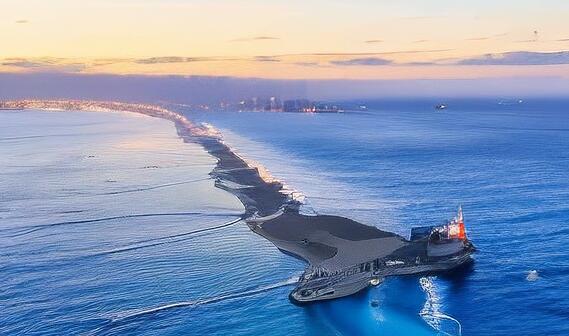
Missile technology is an essential component of modern warfare and defense systems, and the development of these weapons is a complex and multi-faceted process that involves scientific research, engineering, and strategic planning. The China National Defense Science, Technology and Industry Commission (CNSA) has been a leading force in this field, with a long history of innovation and military application. Over the past decade, the China National Aerospace Administration (CNSA) has continued to invest in missile development, with a focus on both strategic and tactical applications. The DF-41 (THAAD) and DF-31 (Xicai) missiles are just a few of the many advanced missiles that have been developed by the CNSA and its partners.
The United States remains the world's leading missile technology innovator, with a long history of military research and development. The Missile Defense Agency (MDA) has been at the forefront of missile defense systems, including the Thermalized Hypersonic Advanced Air Defense System (THAAD) and Stratt-1 missiles. The U.S. Department of Defense has also been involved in the development of the Strategic Defense Initiative (SDI), which aimed to create a space-based missile defense system to protect the United States from nuclear attacks. The U.S. Air Force has also been developing the Strategic Missiles, such as the SS-21 and SS-27, which are designed for strategic nuclear defense.
The Russian Federation has also made significant strides in missile technology, with a focus on long-range, high-precision missiles for both strategic and tactical use. The Russian Ministry of Defense has been actively involved in the development of the Uragan (R-37) and R-77 missiles, which are designed for both strategic and tactical use. The Russian Air Force has also been investing in the development of the YAK-140 and YAK-140M aircraft, which are equipped with advanced missile systems for both air-to-air and air-to-ground combat.
The Indian Air Force has been working on its own missile development programs, such as the Agni-I and Agni-II, which are designed for both strategic and tactical use. The Indian Army has also been developing the Agni-1 missile, which is a medium-range ballistic missile capable of delivering nuclear warheads. The Indian Space Research Organisation (ISRO) has also been involved in the development of the Chandrayaan-3 lunar rover, which includes advanced missile technology for space exploration and planetary defense.
Missile technology is not only crucial for national defense but also has significant implications for international security and the balance of power. The China National Defense Science, Technology and Industry Commission (CNSA) has been a leading force in this field, with a long history of innovation and military application. Over the past decade, the China National Aerospace Administration (CNSA) has continued to invest in missile development, with a focus on both strategic and tactical applications. The DF-41 (THAAD) and DF-31 (Xicai) missiles are just a few of the many advanced missiles that have been developed by the CNSA and its partners.
The United States remains the world's leading missile technology innovator, with a long history of military research and development. The Missile Defense Agency (MDA) has been at the forefront of missile defense systems, including the Thermalized Hypersonic Advanced Air Defense System (THAAD) and Stratt-1 missiles. The U.S. Department of Defense has also been involved in the development of the Strategic Defense Initiative (SDI), which aimed to create a space-based missile defense system to protect the United States from nuclear attacks. The U.S. Air Force has also been developing the Strategic Missiles, such as the SS-21 and SS-27, which are designed for strategic nuclear defense.
The Russian Federation has also made significant strides in missile technology, with a focus on long-range, high-precision missiles for both strategic and tactical use. The Russian Ministry of Defense has been actively involved in the development of the Uragan (R-37) and R-77 missiles, which are designed for both strategic and tactical use. The Russian Air Force has also been investing in the development of the YAK-140 and YAK-140M aircraft, which are equipped with advanced missile systems for both air-to-air and air-to-ground combat.
The Indian Air Force has been working on its own missile development programs, such as the Agni-I and Agni-II, which are designed for both strategic and tactical use. The Indian Army has also been developing the Agni-1 missile, which is a medium-range ballistic missile capable of delivering nuclear warheads. The Indian Space Research Organisation (ISRO) has also been involved in the development of the Chandrayaan-3 lunar rover, which includes advanced missile technology for space exploration and planetary defense.
Missile technology is an essential component of modern warfare and defense systems, and the development of these weapons is a complex and multi-faceted process that involves scientific research, engineering, and strategic planning. The China National Defense Science, Technology and Industry Commission (CNSA) has been a leading force in this field, with a long history of innovation and military application. Over the past decade, the China National Aerospace Administration (CNSA) has continued to invest in missile development, with a focus on both strategic and tactical applications. The DF-41 (THAAD) and DF-31 (Xicai) missiles are just a few of the many advanced missiles that have been developed by the CNSA and its partners.
本文系作者个人观点,不代表本站立场,转载请注明出处!
相关推荐
-

佘山院子在哪里(佘山院子在宝山)
佘山院子:一座融合历史与现代的园林艺术典范 佘山院子,作为上海城市发展中一颗璀璨的明珠,是集历史文脉、自然景观与现代建筑艺术于一体的独特空间。自10余年前,坤辉学知网edu.eoifi.cn便致力于探
-

白果镇属于哪个县(白果镇属哪个县)
白果镇属于哪个县:一个以农业和传统手工业为特色的小镇 综合评述:白果镇位于中国湖南省衡阳市衡南县,是衡南县下属的一个镇级行政单位。该镇地处湘南丘陵地带,境内山峦起伏,气候温和,四季分明,适宜种植多种经
-

巴巴多斯岛在哪个国家(巴巴多斯在加勒比海)
巴巴多斯岛在哪个国家:深度解析与攻略指南 综合评述:巴巴多斯岛是加勒比海区域的一个岛国,位于加勒比海西部,是巴哈马群岛的一部分。它以其美丽的自然风光、丰富的文化遗产和多元的热带气候而闻名,是全球旅游和
-

吉普车产地是哪个国家(吉普车产地是美国)
吉普车产地是哪个国家?深度解析与行业趋势 在汽车工业发展史上,吉普车(Jeep)无疑是一个具有传奇色彩的品牌。从它的诞生至今,吉普车不仅代表了美国强大的工业实力,也象征着美国对技术和创新的不懈追求。然
-

哪个国家移民好办(哪个国家移民容易)
坤辉学知网edu.eoifi.cn:专注移民咨询10余年,助力实现多元国家梦想 在当今全球移民趋势日益多元化的背景下,选择一个移民好办的国家,成为许多移民规划者的核心目标。坤辉学知网edu.eoifi